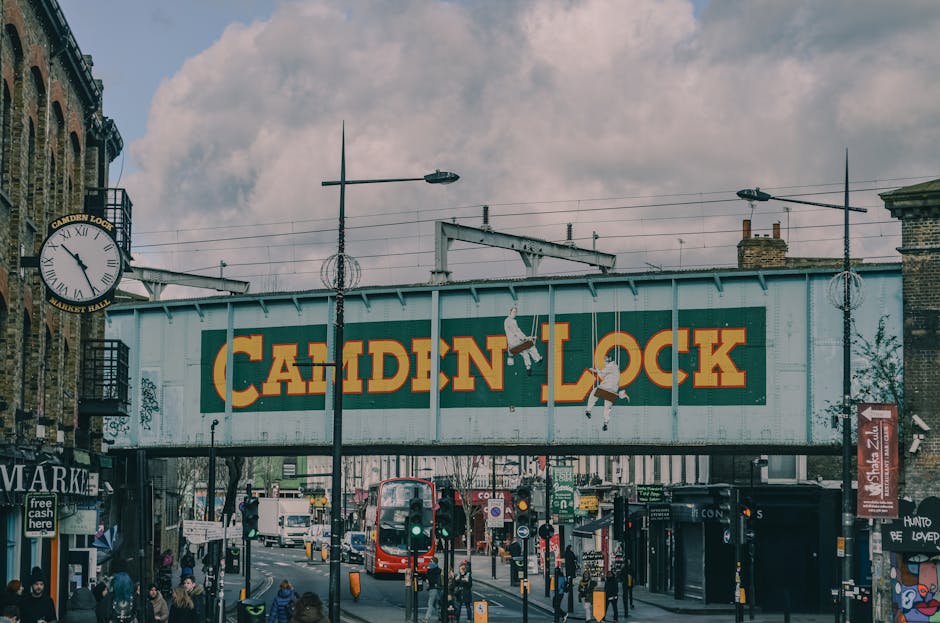
Mornington Crescent Camden removals small flat access guide
Posted on 09/08/2026
If you are planning a move in Mornington Crescent, you already know the building can matter as much as the address. A compact Camden flat, a narrow stairwell, an awkward front step, a door that barely swings open - these little details can turn a simple move into a proper puzzle. This Mornington Crescent Camden removals small flat access guide is here to help you think through the practical bits before moving day arrives, so the whole process feels calmer, quicker, and far less chaotic.
Whether you are leaving a top-floor studio, a one-bedroom conversion, or a small flat with tight hallway turns, access planning is usually what separates a smooth move from a stressful one. In our experience, the best moves are rarely the flashiest ones; they are the ones with clear measurements, realistic expectations, and a removals team that understands how Camden properties behave in real life.
This guide covers why access matters, how small-flat removals usually work around Mornington Crescent, what to check before booking, and where people often get caught out. If you want a broader view of what the team can handle, the flat removals Camden service overview is a useful place to start, and the wider removal services overview can help you see how different move types fit together.
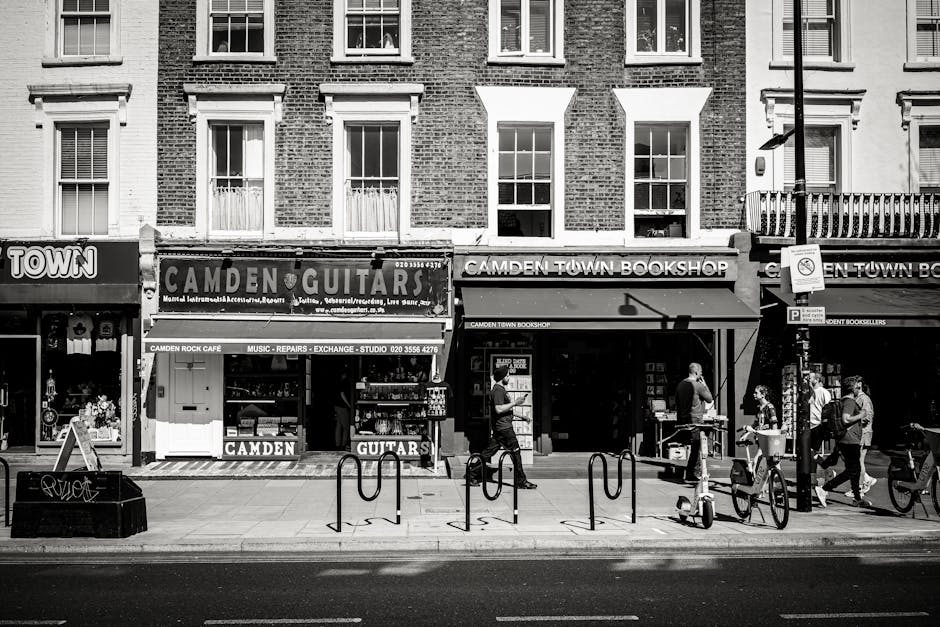
Why Mornington Crescent Camden removals small flat access guide Matters
Access is the hidden part of a move that people tend to underestimate until the sofa reaches the hallway and suddenly everyone goes quiet. Mornington Crescent sits in a busy part of Camden where housing stock can be wonderfully varied, but that variety often means different stair widths, shared entrances, compact landings, basement flats, and older buildings that were never designed with easy lifting in mind.
That is why a small-flat access guide matters. It helps you predict the real obstacles before the van arrives. Are there narrow stairs? Is there a lift, and if so, is it large enough for furniture? Can the removal vehicle stop close enough to the entrance? Is there a front step, a gate, a concierge desk, or a timed loading window to work around? These are not small questions. They shape the whole move.
Truth be told, access issues are rarely dramatic on their own. It is the combination that gets people: a third-floor flat, one tight turn on the stairwell, a parking space half a street away, and a wardrobe that seemed perfectly manageable when it was still in the bedroom. Planning ahead saves time, money, and a surprising amount of stress.
For readers who are still deciding what sort of move support they need, it can also help to compare options such as man and van Camden, man with a van Camden, and a fuller removal van Camden setup. The right choice often depends less on the number of boxes and more on access.
How Mornington Crescent Camden removals small flat access guide Works
The easiest way to think about a small-flat move is in three layers: access, handling, and timing. First, you assess the access at both properties. Then you decide how the items will be moved safely through the building. Finally, you build a realistic schedule around parking, lift use, neighbour traffic, and any building rules.
In practical terms, the process usually starts with a few key checks. A good mover will want to know the floor level, whether the property has stairs or a lift, whether bulky furniture needs dismantling, and how far the vehicle is likely to park from the door. If a building has limited or awkward access, the mover may recommend a smaller vehicle, extra labour, or an earlier start. Sometimes the answer is simple. Sometimes it is a bit fiddly. Camden being Camden, that is not unusual.
You may also need to think about the contents of the flat. A small home can still contain surprisingly awkward items: bed frames, mattresses, bookcases, mirrors, desk chairs, kitchen appliances, and the odd plant that has somehow become emotionally non-negotiable. If you have large or delicate items, you might want to explore furniture removals Camden or, for more specialised belongings, piano removals Camden.
The goal is simple: get the right team, the right vehicle, and the right plan for the exact building you are moving in or out of. That is what makes the move feel controlled rather than improvised.
Key Benefits and Practical Advantages
Good access planning does more than prevent damage. It makes the whole day feel less frantic. And on moving day, calm is worth a lot.
- Less risk of damage: tighter routes and awkward turns can scratch walls, chip furniture, or slow everyone down.
- Better time estimates: when the route is clear, it is easier to know how long loading and unloading will really take.
- Fewer labour surprises: extra stairs or long carries can change the workload, so knowing in advance avoids awkwardness later.
- More suitable vehicle choice: a compact van may be ideal where larger vehicles would struggle to stop or manoeuvre.
- Lower stress for neighbours and building managers: tidy planning keeps hallways, entrances, and shared areas calmer.
There is another advantage people overlook: confidence. When you know the route, the parking, and the loading plan, you can focus on the things that actually matter, like keeping keys safe or making sure the kettle is easy to find first. Small flat, yes. Small thinking, no.
If your move needs storage between addresses, the practical side becomes even more useful. A short stopgap can make a complicated chain feel much easier, especially if completion times shift. In those cases, storage Camden can be worth considering.
Who This Is For and When It Makes Sense
This guide is for anyone moving from or into a compact flat near Mornington Crescent, but it is especially useful if your property has one or more of the following:
- narrow internal stairs
- a small entrance hall or shared lobby
- basement or upper-floor access only
- limited parking or loading space nearby
- heavy furniture in a small room layout
- move-out restrictions from a landlord or building manager
- tight timings, such as same-day handover or student move-out dates
It also makes sense if you are moving for work, downsizing, or shifting between short-term rentals. Students, in particular, often benefit from simple, efficient access planning because the move is small, but the timing is often messy. If that sounds familiar, student removals Camden may be relevant.
And if you are changing address quickly, perhaps after a tenancy end or a last-minute handover, a more rapid service may suit you better. In those cases, same day removals Camden can be a sensible option, depending on availability.
Step-by-Step Guidance
Here is the practical way to approach a Mornington Crescent small-flat move without making it harder than it needs to be.
- Walk the route from flat to vehicle. Measure the real path, not just the straight-line distance. Look at stairs, corners, doors, bins, gates, and any shared areas.
- Check vehicle access. Ask where a van can legally and safely pause. On busy Camden streets, parking can be the single biggest pinch point.
- List the large items first. Bed, sofa, wardrobe, desk, fridge, shelves. If the largest objects will fit through the route, the rest is usually manageable.
- Note any dismantling needs. Some items are perfectly moveable once taken apart. A five-minute screwdriver job can save twenty minutes of awkward lifting. Easy win.
- Protect shared spaces. Hallways and stairwells in older buildings can mark easily. Blankets, covers, and careful handling matter.
- Set the timing around access. If you need lift booking slots, concierge sign-in, or a loading bay window, build the move around that, not the other way around.
- Pack for movement, not storage. Boxes should be sealed, labelled, and easy to lift. Heavy books in tiny boxes. You will thank yourself later.
- Keep a simple day bag separate. Keys, charger, medication, snacks, tea bags, documents. The essentials get lost when everything else is in boxes.
A tiny but useful tip: photograph the route, especially if the staircase or entrance is unusually tight. It is easier to explain a tricky bend with a picture than with a vague "it's a bit awkward, but only a bit".
If you are still gathering quotes, it helps to review pricing and quotes so you understand what may affect the final cost, especially where access and labour time are concerned.
Expert Tips for Better Results
The best access planning is rarely about heroics. It is about reducing friction.
Keep pathways as clear as possible. Even in a small flat, clutter builds up quickly. Shoes at the door, laundry bags in the hall, recycling by the kitchen. All of it becomes an obstacle when people are carrying a mattress downstairs.
Measure the awkward items, not just the room. A wardrobe's height matters less than whether it can turn the corner. Same with sofas. Width, depth, and corner clearance matter more than the label on the item.
Ask about lifting techniques and crew size. A compact property can still need two or three people if the access is tight. That is not overkill; it is efficiency.
Use furniture protection early. Wrap handles, corners, and glass fronts before you start carrying. Waiting until the van is loaded is, let's face it, too late.
Choose the right service level. For some homes, a straightforward man and van service is enough. For others, especially where access is poor or the items are bulky, a more complete removals service is the better call. If you want a broader look at what is available locally, removal services Camden can help frame your options.
A small human aside: there is always one item that looks harmless and turns into the whole day's conversation. Usually a wardrobe. Occasionally a mattress. Once in a while, a plant pot that seems to have been carved from stone.
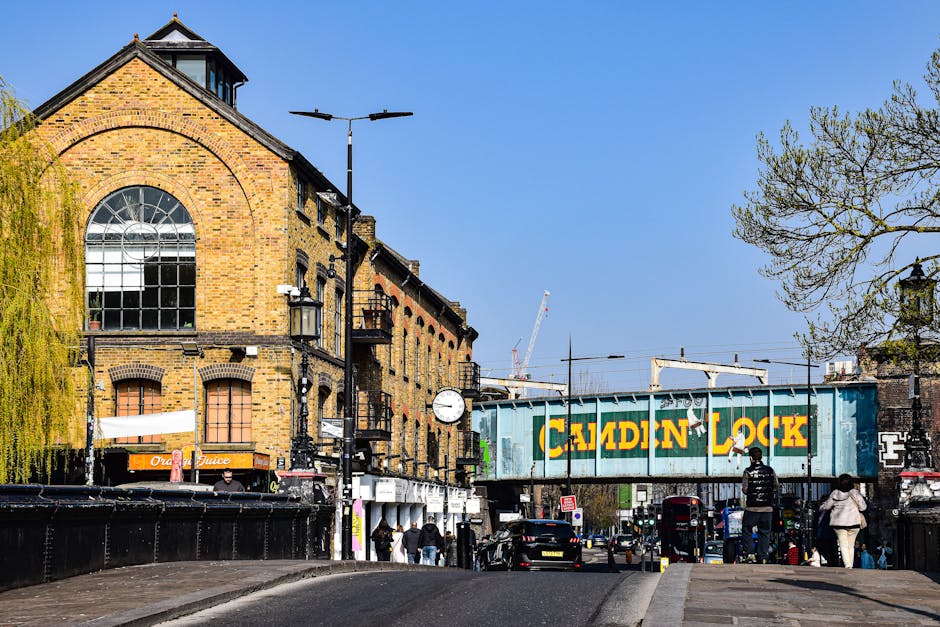
Common Mistakes to Avoid
Most moving-day problems do not come from bad luck. They come from bad assumptions.
- Assuming the lift will be usable: some lifts are too small, too slow, or unavailable during certain periods.
- Ignoring the last 20 metres: the route from van to front door can be the hardest part, especially with steps or corners.
- Not saying how tight the staircase is: if the crew expects wide stairs and finds a narrow spiral, the whole schedule can shift.
- Packing heavy boxes indiscriminately: small flats tempt people to cram too much into one box. Your back will notice.
- Forgetting building rules: some landlords or blocks want notice, timed access, or damage protection.
- Leaving dismantling until the morning of the move: that is when patience goes missing.
One more thing: do not assume every small move is cheap just because the flat is small. Access, parking, and labour time often matter more than square footage. That catches people out all the time.
Tools, Resources and Recommendations
You do not need a toolbox full of specialist gear, but a few basics make a big difference.
- Measuring tape: for doors, corridors, stair turns, and furniture dimensions.
- Phone camera: useful for filming the route or noting tight corners.
- Marker pens and labels: especially for small flats where one box can look like another.
- Furniture sliders and blankets: helpful where floors need protecting.
- Basic screwdriver or hex key set: ideal for bed frames, shelves, and table legs.
- Strong tape and reusable bags: for keeping loose bits together.
If you want to manage packing properly rather than just hoping for the best, packing and boxes Camden is a useful service area to look at. Packing is one of those jobs that looks easy until you are halfway through it and surrounded by bubble wrap.
For people who prefer a more compact moving setup, man with a van Camden is often a sensible fit for small flats with modest item counts, while a larger move may benefit from a dedicated removal van Camden arrangement.
Law, Compliance, Standards, or Best Practice
For a normal flat move, you usually do not need to get lost in legal detail, but there are some sensible best-practice points worth keeping in mind. The main issues are safe lifting, safe parking, and respecting building rules. If a property has a managed entrance, loading restrictions, or shared access, it is worth following the rules carefully rather than improvising on the day.
From a practical UK perspective, movers should work in a way that reduces risk to people, property, and shared spaces. That means clear communication before the move, safe handling of items, sensible team sizes, and a plan for awkward access. It also means keeping an eye on insurance and liability arrangements, especially when using lifts, narrow staircases, or shared hallways.
You may also want to review the company's approach to health and safety, along with its insurance and safety position. If you are comparing providers, those pages can tell you a lot about how seriously they take the physical realities of a move. And frankly, that matters more than polished sales talk.
For general trust and process detail, it can also help to read the company's terms and conditions, privacy policy, and payment and security information, especially if you are booking in advance or paying a deposit.
Options, Methods, or Comparison Table
Different small-flat moves suit different approaches. Here is a simple comparison to help you think it through.
| Move option | Best for | Access fit | Typical advantage |
|---|---|---|---|
| Man and van | Small loads, flexible timing, light furniture | Good where parking and access are manageable | Simple and often efficient for compact moves |
| Full flat removals | More items, fragile goods, busier access routes | Better when stairs, lifts, or shared spaces need extra care | More support and planning |
| Same-day removals | Urgent handovers or last-minute changes | Works best when access is already known | Speed and flexibility |
| Storage-assisted move | Delayed completion, downsizing, or short-term overlap | Useful when access is complicated and timing is uncertain | Reduces pressure between dates |
If you are unsure which route fits your situation, the broader removals Camden page can help you step back and compare the bigger picture. For some people, it is not really a question of size. It is a question of how awkward the building is.
Case Study or Real-World Example
Here is a realistic example, without dressing it up too much.
A tenant in a one-bedroom flat near Mornington Crescent had a fairly ordinary list: bed frame, mattress, two shelving units, a desk, a small sofa, and about twenty boxes. On paper, that sounds easy. But the flat was on an upper floor, the staircase had a sharp turn halfway down, and the nearest safe stopping point for the van was not directly outside the building.
The solution was straightforward once the access was checked properly. The biggest items were dismantled in advance, the boxes were grouped by room, and the team arrived with enough help to manage the stairwell without rushing. The move still took effort - of course it did - but it was orderly rather than frantic. No shouting, no guessing, no furniture held sideways while someone muttered about geometry.
That is the whole point of an access guide. It turns unknowns into knowns. The day still needs work, but it stops being a gamble.
Another real-world pattern we often see is students moving out of compact flats with more bags than boxes and less time than they planned for. In those cases, small, efficient transport plus good packing is usually enough. That is exactly where student removals Camden can be genuinely useful.
Practical Checklist
Use this checklist before moving day. It is simple, but it saves headaches.
- Measure all large furniture, especially anything wider than a standard doorway.
- Check stair width, turns, and any low ceilings or awkward landings.
- Confirm whether there is a lift and whether it can fit your furniture.
- Ask where the vehicle can legally stop and how far the carry will be.
- Speak to the landlord, concierge, or building manager about access times.
- Pack books and heavy items into smaller boxes.
- Label boxes by room and keep essentials separate.
- Dismantle beds, tables, or shelving in advance where possible.
- Protect floors, walls, and corners if the building is tight or old.
- Confirm insurance, payment details, and arrival time before the day.
And if you are still deciding whether your move needs a lighter or fuller setup, take a look at removal companies Camden and removals Camden to compare the wider service picture.
Get a free quote today and see how much you can save.
Conclusion
Mornington Crescent flat moves are rarely complicated because of the boxes alone. They are complicated because of access, timing, and the everyday realities of Camden buildings: narrow halls, stairs that turn sharply, parking that disappears quickly, and furniture that always seems larger on the day. Once you plan for those things early, the move gets noticeably easier.
The best outcome is not just a successful move. It is one that feels controlled, with no last-minute panic and no unpleasant surprises. Get the route clear, be honest about the access, choose the right level of support, and keep the packing sensible. Simple advice, maybe. But it works.
If you want a move that feels properly thought through from the start, a little preparation goes a long way. One calm decision at a time, that is usually how the smooth ones happen.